Do These Symptoms Sound Familiar?
Heart failure can affect much more than the heart. It can change how much you are able to do each day and make once-simple activities feel overwhelming. Symptoms may include:
- Feeling short of breath during light activity
- Low energy or ongoing fatigue
- Difficulty walking, exercising, or climbing stairs
- Needing frequent breaks during normal activities
- Swelling in the legs, ankles, or feet
- Feeling unable to keep up with work, family, errands, or hobbies
If these symptoms continue even though you are following your treatment plan, it may be time to ask whether another option could help.
- CCM Therapy at a glance
- Delivered by the Optimizer Smart Mini, a small implanted device
- Used together with your ongoing heart failure care
- Implant procedure similar to pacemaker implantation
- Charged at home for about one hour each week
When Heart Failure Treatment Does Not Provide Enough Relief
Medications, regular follow-up, and other heart failure treatments help many people manage their condition. However, some patients continue to experience fatigue, shortness of breath, and limits on daily activity despite recommended care.
CCM Therapy is designed for certain patients in this situation. It is used together with ongoing heart failure care.
Do not stop or change any medication unless your healthcare professional tells you to do so.
What Is CCM Therapy?
Cardiac Contractility Modulation Therapy is a device-based treatment intended to help the heart muscle contract and pump blood more effectively. The therapy is delivered by a small implanted device called the Optimizer Smart Mini.
The device sends precisely timed electrical pulses to the heart muscle during specific parts of the heartbeat. These pulses are intended to improve the strength and efficiency of the heart’s contraction without changing the heart’s natural rhythm.
CCM Therapy works alongside your ongoing heart failure care. It does not replace your medications unless your treating cardiologist changes your plan, and it is offered only after a comprehensive evaluation confirms that it may be appropriate for you.
How Is CCM Therapy Different From a Pacemaker?
Because the Optimizer Smart Mini is implanted under the skin and uses leads placed in the heart, it may look similar to a pacemaker. The purpose of the therapy is different.
CCM Therapy
Designed to help the heart muscle contract and pump more effectively, without changing the heart's natural rhythm.
Pacemaker
Designed to help regulate a heart rhythm that is too slow or otherwise needs pacing support.
Implantable Cardioverter-Defibrillator (ICD)
Designed to detect and treat dangerous heart rhythms.
Cardiac Resynchronization Therapy (CRT)
Coordinates the timing of the heart's lower chambers for certain eligible patients.
Your cardiologist will determine which treatment, if any, is appropriate for your condition. CCM Therapy does not replace a pacemaker, ICD, or CRT device when one of those treatments is medically necessary.
How the CCM Therapy Process Works
From your first evaluation through ongoing therapy, Dr. Ramadan and the SLHV team coordinate each step of your care.
-
Evaluation
Dr. Ramadan and the SLHV team review your symptoms, medical history, medications, heart function, current devices, and overall health to determine whether CCM Therapy may be appropriate.
-
Implant Procedure
The Optimizer Smart Mini is placed under the skin of the upper chest through a small incision. Two leads are guided through a vein and positioned in the right ventricle. The procedure is performed with sedation and is similar to pacemaker implantation.
-
Recovery & Follow-Up
Many patients are discharged after a short observation period, sometimes the same day or the following day. Your care team provides instructions for incision care, temporary activity limits, charging the device, and follow-up.
-
Ongoing Therapy
The device delivers therapy at scheduled times during the day. Patients use a charger at home for approximately one hour each week.
Who May Be Considered for CCM Therapy?
CCM Therapy may be considered for certain adults with chronic heart failure who remain symptomatic despite guideline-directed medical therapy. These patients may feel comfortable at rest but become tired or short of breath during light activity.
The Optimizer Smart Mini is indicated to improve functional status and quality of life in certain patients with New York Heart Association Class III heart failure who have a left ventricular ejection fraction from 25% to 45%, remain symptomatic despite guideline-directed medical therapy, and are not receiving cardiac resynchronization therapy.
The therapy is not appropriate for everyone. Impulse Dynamics patient materials state that patients under age 18, patients who have had a heart transplant, patients with symptoms at rest or a left ventricular ejection fraction below 25%, patients who require ongoing CRT, and patients with a mechanical tricuspid valve may not be candidates.
Final candidacy must be determined through a comprehensive evaluation by a qualified healthcare professional.
Important safety information · Complete safety information from Impulse Dynamics
Candidacy at a glance
- Adults with chronic heart failure (NYHA Class III)
- Left ventricular ejection fraction from 25% to 45%
- Still symptomatic despite guideline-directed medical therapy
- Not receiving cardiac resynchronization therapy (CRT)
- Candidacy confirmed through a comprehensive evaluation
What Are the Potential Benefits?
For appropriately selected patients, CCM Therapy is intended to improve functional status and quality of life.
Individual results vary. Improvement is not guaranteed, and treatment decisions should be based on a complete medical evaluation.
Depending on the individual, treatment goals may include:
- Less shortness of breath
- More energy for everyday activities
- Improved ability to walk or exercise
- Greater independence
- A better overall quality of life
Why Choose St. Louis Heart and Vascular?
St. Louis Heart and Vascular offers comprehensive cardiovascular care and access to advanced treatment options for patients whose heart failure symptoms continue to interfere with daily life.
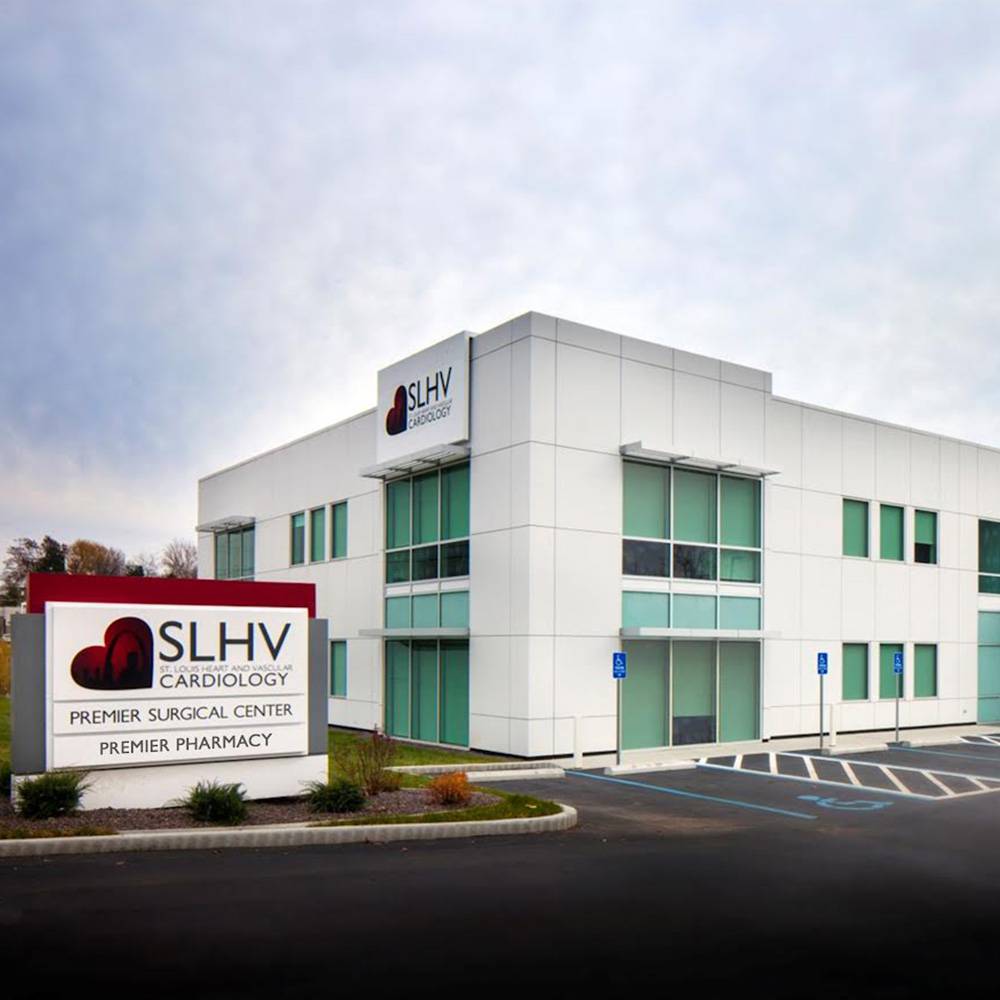
CCM Therapy Experience
Experience with CCM Therapy through Dr. Rafiq Ramadan.
Individualized Evaluation
An evaluation based on your symptoms, heart function, treatment history, and goals.
Coordinated Care
Coordinated care before the procedure and during follow-up.
Specialized Treatment
Patients travel significant distances to seek this specialized treatment at SLHV.
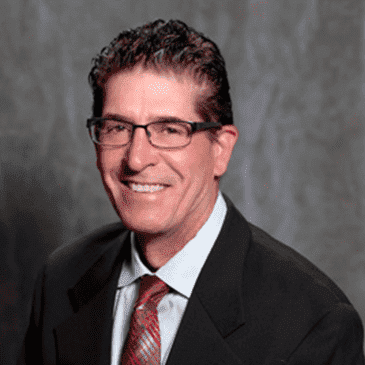
Meet Dr. Rafiq Ramadan
Rafiq P. Ramadan, MD, FACC, FSCAI Cardiologist
Dr. Rafiq Ramadan provides advanced evaluation and treatment for patients with heart rhythm conditions and heart failure. His experience with CCM Therapy gives appropriately selected patients access to another treatment option when symptoms continue despite recommended medical care.
Rafiq Paul Ramadan, MD, FACC, FSCAI, is a distinguished board-certified cardiologist born in Denver, Colorado. Dr. Ramadan graduated from the University of Colorado School of Medicine and went on to serve an internship, residency, and fellowship at the Banner Good Samaritan Medical Center in Phoenix.
Dr. Ramadan has an abundance of experience and is especially interested in interventional cardiology, heart failure device implantation, peripheral vascular disease, pacemaker implantation, and automatic implantable cardioverter-defibrillators. He specializes in invasive, interventional, noninvasive and consultative cardiology, and vascular medicine.
At St. Louis Heart and Vascular, Dr. Ramadan takes the time to address the individual medical needs of men and women in St. Louis and the surrounding communities. He offers valuable education and insight to ensure patients develop a thorough understanding of their diagnosis, treatment, and overall care.
With an ever-growing interest in cardiology, Dr. Ramadan continues to operate with compassion and diligence to give the best possible health care.
What to Expect After the Procedure
Your care team will explain how to care for the incision and which activities to limit while you heal. Impulse Dynamics patient materials advise that some activities may be restricted for two to three weeks, including heavy lifting and undue exertion. Follow the instructions provided by your own physician, because recovery needs vary.
The device is recharged at home for approximately one hour each week. Your care team will show you how to use the charger and will monitor your treatment during follow-up visits.
After your implant
- A short observation period; many patients go home the same or next day
- Incision care instructions from your care team
- Temporary activity limits while you heal
- About one hour of at-home charging each week
- Follow-up visits to monitor your therapy
Frequently Asked Questions
Is CCM Therapy the same as a pacemaker?
No. A pacemaker is designed to help regulate the heart’s rhythm. CCM Therapy is designed to help the heart muscle contract and pump more effectively without changing the heart’s natural rhythm.
How is the device implanted?
The Optimizer Smart Mini is placed under the skin of the upper chest through a small incision. Two leads are guided through a vein and positioned in the right ventricle. The procedure is similar to pacemaker implantation.
How often is the device charged?
Impulse Dynamics patient materials state that the device is charged at home for approximately one hour each week.
When might I notice a change?
Every patient responds differently. Impulse Dynamics patient materials state that some patients may notice benefits sooner, while patients in clinical trials typically showed benefit within three months.
Can I have an MRI?
Impulse Dynamics patient materials state that the Optimizer Smart Mini is MRI conditional when used with certain approved leads. Your healthcare team must review your specific device and MRI requirements before any scan.
Is CCM Therapy covered by Medicare or insurance?
Impulse Dynamics materials state that Medicare issued a National Coverage Determination covering eligible FDA-indicated adult patients who have not had a heart transplant. Coverage requirements and other insurance plans may vary. SLHV can help guide you through benefits verification.
How do I know whether CCM Therapy may be right for me?
A medical evaluation is required. Dr. Ramadan and the SLHV team will review your symptoms, heart function, current treatment, medical history, and overall health before making a recommendation.
Take the Next Step
If heart failure symptoms are still limiting your life despite treatment, ask whether CCM Therapy may be an option.
Complete the form and a member of our team will contact you to schedule an evaluation with Dr. Rafiq Ramadan.
Contact & Locations
Call our main line or request an appointment online. Dr. Ramadan sees patients at the offices below.
- Phone (314) 741-0911
- Online Request an appointment
- Offices
- Bridgeton Office 3550 McKelvey Rd., Bridgeton, MO 63044
- Christian Hospital Office 11155 Dunn Road, Suite 304E, MOB #1, St. Louis, MO 63136
- Troy, IL Office 7346 State Rte 162, Troy, IL 62294
- St. Charles Office 1551 Wall Street, Suite 410, St. Charles, MO 63303
Important Safety Information
CCM Therapy is a prescription medical therapy and is not appropriate for every patient. Implantation carries risks that may include bleeding, infection, lead-related problems, or other procedural complications. The information on this page is educational and does not replace medical advice, diagnosis, or treatment. Discuss the potential benefits, risks, alternatives, contraindications, and complete device safety information with a qualified healthcare professional.
Learn more from Impulse Dynamics: www.impulse-dynamics.com